
Skip to content

Free written estimatesLocal crews

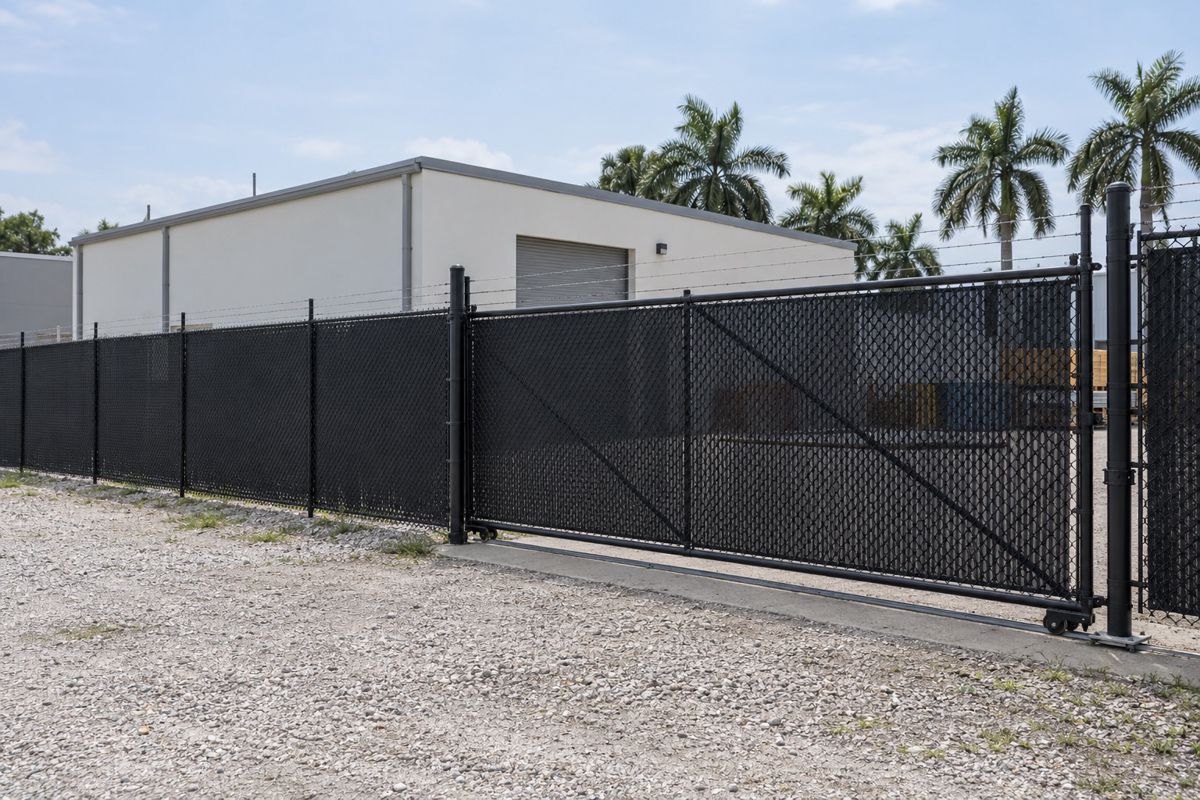
Black chain link fence with a rolling gate around a warehouse yard

Chain link fencing in Miami, FL

Chain link fence in Miami for yards, lots and job sites

Practical, durable fence in galvanized or vinyl-coated mesh, with gates and security options.

  • Residential yards, commercial lots and schools
  • Galvanized or black and green vinyl coating
  • Swing and sliding gates

Step 1 of 3

What do you need?

What does a chain link fence installation in Miami involve?

A chain link fence is built from posts, a top rail, mesh and fittings. The crew marks the line, sets the corner and end posts first, since they carry the tension, then adds line posts and stretches the mesh tight. Tension wire along the bottom, or a bottom rail, keeps the mesh from lifting.

The choices that matter most:

  • Height. Four foot is common for front boundaries and dog runs, while six foot and taller suit backyards and commercial sites.
  • Coating. Galvanized steel is plain silver. Vinyl-coated mesh comes in black, green or brown and holds up better against humidity and salt air.
  • Gauge. Heavier wire is stronger and costs more.
  • Privacy and security. Slats, screens and extra top strands can be added where the rules allow.

Chain link is used on homes in Hialeah, Kendall and across the county, and on warehouses, schools and lots in areas such as Doral.

What are the common problems with chain link in South Florida?

Rust and corrosion

Humidity and salt air attack bare steel. Hot-dip galvanized parts hold up better than cheaper coatings, and vinyl-coated mesh adds another layer. Ask what fittings, ties and hardware come with the quote, since rusty small parts are often the first thing to fail.

Wind

Open mesh lets wind through, which helps in a storm. Adding privacy slats or windscreen fabric turns the fence into a sail, so those add-ons need stronger posts and fixings. Ask how the fence is designed for the addition.

Sagging and leaning

Loose mesh, bent top rails and leaning corner posts show up when the original tension or footings were weak, or when a vehicle has struck the fence. A properly set post and a tight stretch prevent most of this.

Rules

HOAs commonly restrict chain link, especially in front yards. Cities also set rules on height and on barbed wire or similar toppings, so check before you plan a security fence.

What changes the price of a chain link fence?

Chain link is often the lowest-cost fence per foot, but the final quote still depends on the job. We do not list prices here, and these are the main factors:

  • Length and height of the run.
  • Galvanized or vinyl-coated mesh, and the wire gauge.
  • Number, width and type of gates. A wide sliding or cantilever gate for vehicles costs far more than a walk gate.
  • Privacy slats, screens or security toppings.
  • Ground conditions. Limestone close to the surface slows post holes in many parts of the county.
  • Clearing the line, removing old fencing and permit fees.

On commercial sites, drawings, site plans and zoning rules can affect both cost and timing, so tell us early if the fence is for a business. If you want something more decorative around part of a property, consider aluminum fencing for the front and chain link for the back.

Residential chain link usually goes up faster than a wood or vinyl fence of the same length, often in a day or two of work for a straightforward yard. Larger commercial runs with gates take longer. Permit approvals and materials, including custom coating colors, set much of the schedule.

On the day, utilities are located first. Then post holes are dug, concrete is poured and the crew waits for it to firm up before stretching mesh. Tension is the key step, so the crew will leave the mesh in place for a short time before final tightening. Move vehicles and equipment away from the line. Afterward, walk the fence with the crew, test every gate and make sure the latches close properly.

When should you call about a chain link fence?

Call when you need a boundary for pets, a pool equipment area, a storage lot or a business yard, or when an existing chain link fence is leaning, rusting or has a gate that drags. Early questions about permits and HOA rules save time later.

For commercial work, tell us what the fence has to protect, how vehicles will enter and whether gates need to be powered. Our fence repair and gate automation page explains how openers fit in. If you are weighing a more private option, wood fence installation gives more screening than mesh, and our home page lists everything we do.

Free written estimates Local crews Clear timelines Cleanup included

How it works

1

Tell us about the fence

Length, style and goals.

2

Site visit and quote

We measure and put the price in writing.

3

Installation

Posts set properly, gates hung true, site cleaned.

Request chain link fencing

Tell us what you need and we call you back.

Step 1 of 3

What do you need?

No obligation.

Questions about fencing in Miami

Is chain link fence allowed in Miami neighborhoods?

It depends on where you live. Many homes have chain link in back yards, but HOAs and some cities restrict it in front yards or visible side yards. Check your HOA documents and your city's fence rules before you decide. If chain link is not allowed, aluminum or vinyl may be the better option.

Should I choose galvanized or vinyl-coated chain link?

Galvanized is the simplest and usually the lowest cost. Vinyl-coated adds a colored layer that helps against humidity and salt air and looks tidier, especially in black. For homes near the coast or bay, many owners prefer vinyl-coated. Hot-dip galvanized fittings matter either way.

Can chain link fences be made private?

Yes, with slats woven into the mesh or with screen fabric attached to the fence. Both add wind load, which matters in a hurricane zone, so posts and fixings need to be chosen for it. Many owners with privacy needs choose wood, vinyl or aluminum with a solid panel instead.

Do I need a permit for a chain link fence in Miami?

Often yes, though the rules differ by city and by use. Commercial and security fences may also have zoning limits on height and toppings. Check with your building department, and ask us what your job is likely to need. Having a rough sketch of the line and gate positions helps.

What gate options are there for chain link?

The usual choices are walk gates, double drive gates that swing open, and sliding or cantilever gates for wide vehicle openings. Heavier gates need stronger posts and hardware. Sliding gates may also take an opener, which we cover on our fence repair and gate page.

Ready when you are

Call now or request a quote online.

(305) 555-0128